
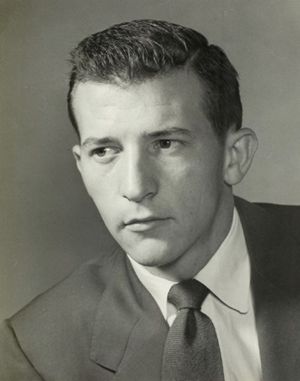
Bill Muster (1926-1989); photo circa 1950 "Man of Our Time" - International Teleproduction Society, 1988 | |
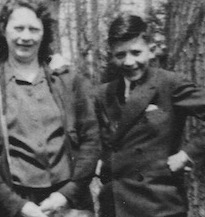 Bill with his mother, 1934. 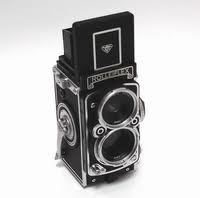
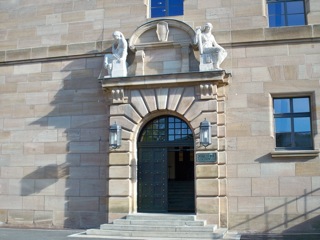
Nuremberg Palace of Justice. 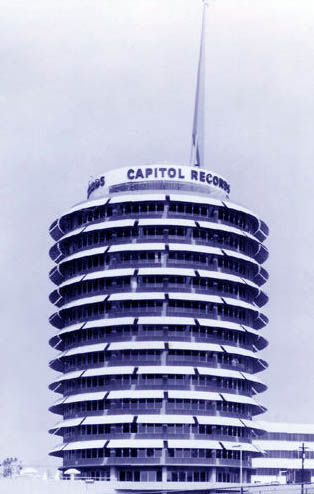 Capitol Tower  
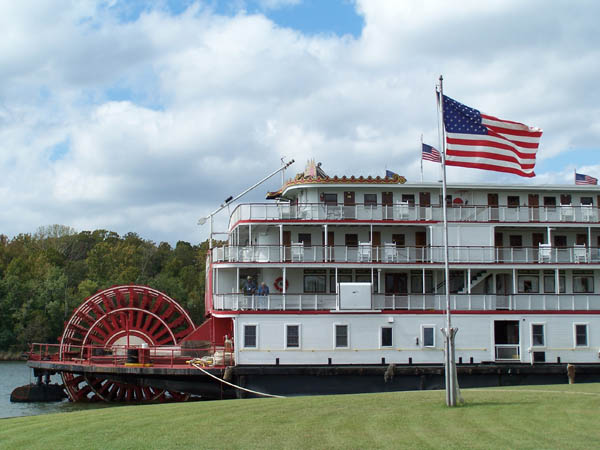 Delta Queen Steamboat 
|
Notes from Nori Muster, author of this website:
My dad grew up in Chicago during the Great Depression. His father died before he was born and his mother died when he was eight. After that he went to an orphanage for a little while, then grew up in a series of foster homes. The people at one of the foster homes encouraged him to read and go to college. He once told me he loved to read, and reading saved him. As a teenager he bought a camera, and earned money in freelance photography. By age seventeen he got a job as a photographer for Acme Newsphotos. In 1944 when he was eighteen he joined the Army Air Force, and followed his career as a photographer. From November 1945 to December 1946, he served as a sergeant and aircrew member in the U.S. Army Air Force in the U.S. and Germany. In Ansbach, Germany, he was publicist, section head, and photo chief of the base photo lab. He also produced the Ansbach Record, a weekly paper for American GIs in Germany. Ansbach is just outside of Nuremberg, and he photographed the Nuremberg trials. After the Army, he worked his way through college at the University of Illinois with the GI Bill, freelance writing and photography, part-time at ACME Newspictures, and summer jobs as a staff photographer at Alexander & Associates of Chicago, a creative service agency. He photographed the Chicago Railroad Fair in 1948 and 1949, and the Chicago Fair of 1950. In 1948 his boss asked him to accompany Walt Disney to the Fair because Disney wanted to build a them park and was doing research at the time. At the University of Illinois Muster was photo chief and associate editor of the University of Illinois Illio yearbook and The Daily Illini, the independent student newspaper at the University of Illinois since 1871. He was a member of Sigma Delta Chi journalism fraternity. He married my mother in 1950, the same year he completed his Bachelor of Science in journalism at the University of Illinois. For the first three years after college he returned to ACME Newspictures as a writer, editor, and photographer. Soon after that, Acme Newsphotos transferred them to Minneapolis, where my father became the bureau chief and my mother was a staff photographer. In 1953 they decided to quit their jobs and move someplace warmer. My father studied all the demographic information available and decided Hollywood was the best place to live. He worked at Capital Records, then moved on to a long career in Los Angeles. |
|
The International Teleproduction Society named Bill "Man of our Time" in 1988, just weeks before his passing. He lived in his Skylark Lane home for the last seventeen years of his life and died peacefully at home January 3, 1989.
His legacy is the Bill Muster Foundation, which supports photo journalism and travel photography, along with organizations that work for better communication and social justice. | |
|
Links Bill Muster's son, Bill Muster | Nuremberg Trials | Capitol Records | Art Deco Building | Delta Queen Steamboat | World Travelers Almanac, Rand McNally | Bill Muster Photo Awards | Bill Muster Foundation | Timeline | Bill Muster genealogy | Bill Muster at Wikipedia. | Additional information and links | |
